Utility Potholing in Fort Lauderdale — Why It Matters Here
Fort Lauderdale is one of the most utility-intensive construction environments in Florida. As Broward County's urban core and regional center, Fort Lauderdale's underground infrastructure reflects decades of dense development — layers of electrical duct banks, water and sewer mains, telecom conduit, private utility systems, and drainage infrastructure are compressed into right-of-way corridors that have been modified repeatedly over 70+ years of construction.
For contractors and engineers working in Fort Lauderdale, utility potholing is not a luxury — it is a necessity. The dense, multi-generation utility environment means that a paint mark on the pavement represents significant uncertainty: utilities in Fort Lauderdale are commonly off-plan, shallower than records indicate, or accompanied by adjacent undocumented utilities that were installed at the same time but never recorded. Physical exposure through vacuum excavation potholing is the only way to confirm exactly what is underground at your conflict locations.
US Utility Potholing is based in nearby Pompano Beach and works Fort Lauderdale projects regularly. We know the city's utility corridors, the relevant utility owners, and the City of Fort Lauderdale's requirements for potholing and excavation work in the right-of-way. That local knowledge means faster project setup, fewer surprises, and more efficient field operations on your Fort Lauderdale construction project.
Fort Lauderdale Potholing — Key Project Areas
Our Fort Lauderdale utility potholing work spans the full geographic range of the city:
- Downtown Fort Lauderdale: The Flagler District, Andrews Avenue corridor, and Federal Highway through downtown carry extreme utility density. HDD and utility work in the downtown core requires potholing at every significant utility crossing.
- Las Olas Boulevard: Fort Lauderdale's premier commercial corridor has been reconstructed multiple times. Potholing on Las Olas regularly reveals utilities at unexpected positions and depths relative to as-built records.
- I-95 and Broward Boulevard corridor: The interchange area and Broward Boulevard from I-95 east to downtown is a major utility corridor for water, sewer, and utility transmission infrastructure. FDOT projects in this area frequently require QL-A potholing.
- FLL Airport area: The Fort Lauderdale-Hollywood International Airport and surrounding commercial development require utility verification for all underground construction and utility upgrade work.
- Port Everglades: Infrastructure work at Port Everglades requires utility potholing to navigate the complex underground environment of one of Florida's largest seaports.
- US-1 (Federal Highway) and Dixie Highway: These north-south arterials carry decades of layered utility installations and are frequently the subject of potholing for FDOT, Broward County, and private developer projects.
The Potholing Process — Fort Lauderdale
Our utility potholing process in Fort Lauderdale follows a consistent, professional workflow designed to produce reliable results and minimize disruption to your project and the surrounding area:
We begin with a review of available utility records and your project plans to identify the priority pothole locations — typically the points where your proposed excavation, bore, or installation crosses or comes within close proximity to a known or suspected utility. If utility locating has not already been performed, we can perform EM and GPR locating on the same mobilization as the potholing work, reducing cost and schedule.
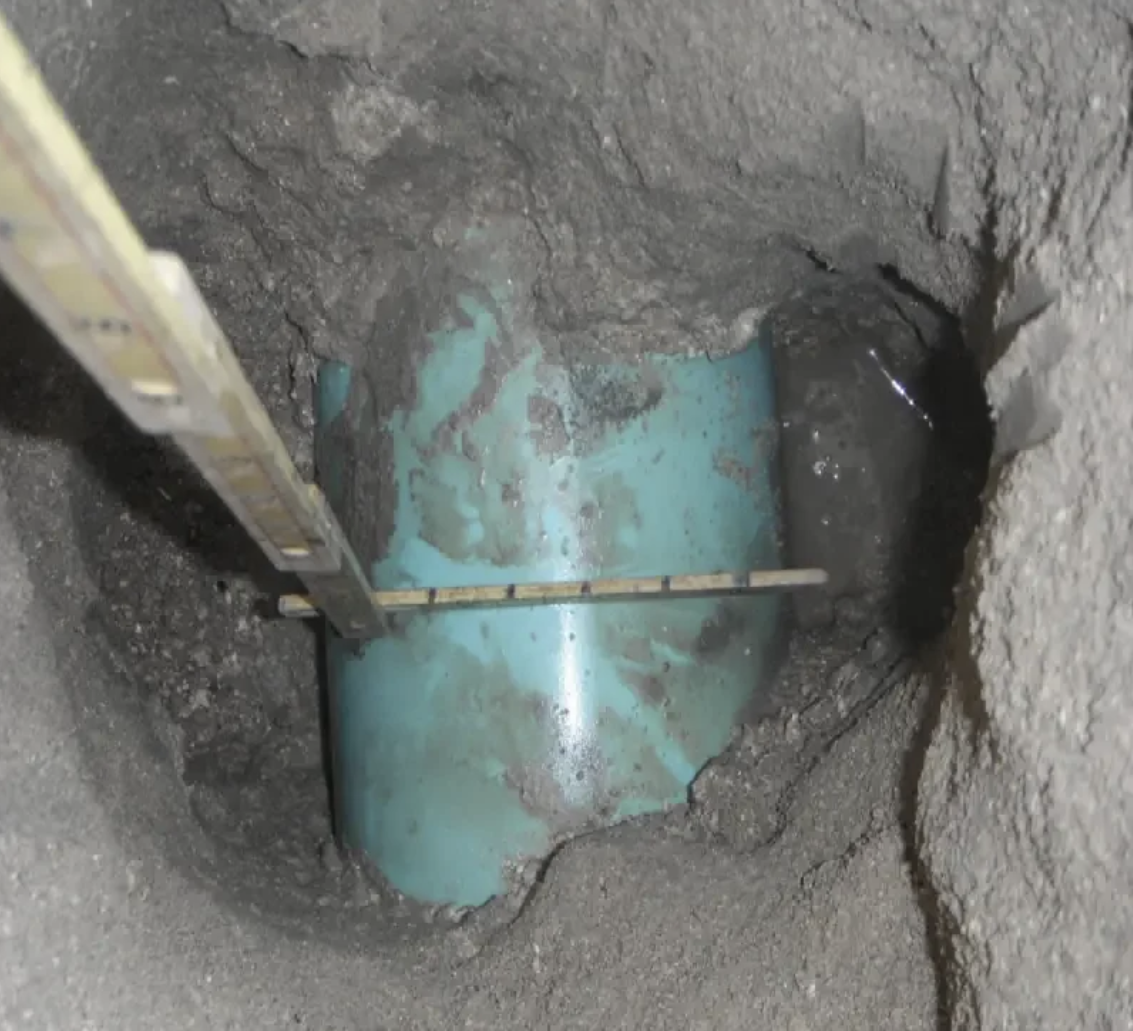
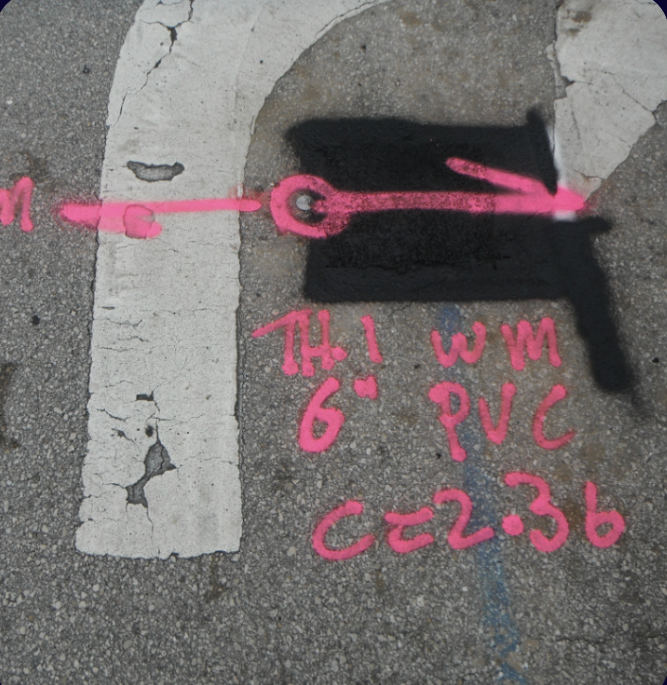
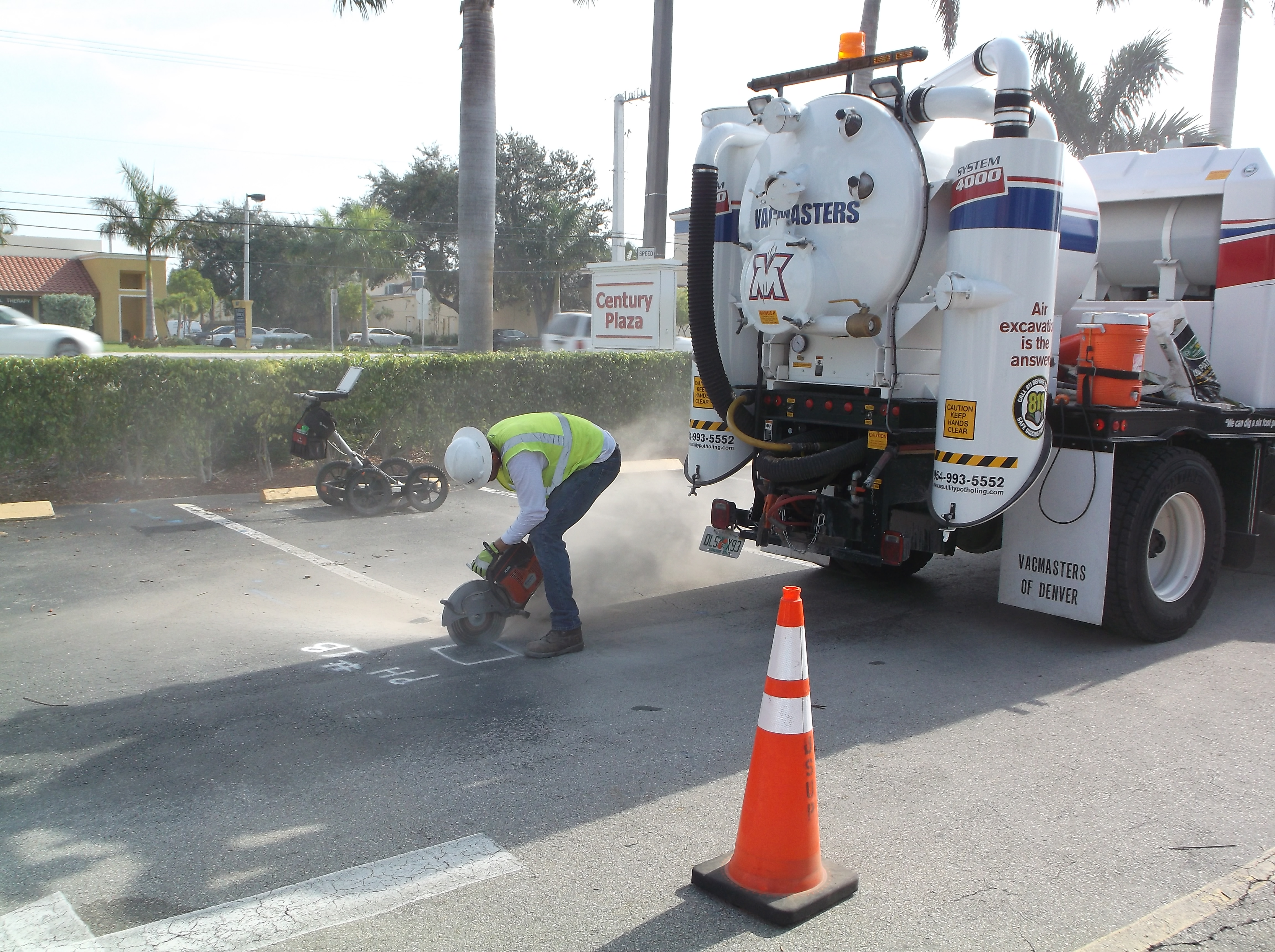
At each pothole location, our crew marks the surface, saw-cuts the asphalt or concrete where required, and uses the vacuum excavation truck to remove soil in a controlled, precise operation. We work down to the utility level, exposing the pipe or conduit without mechanical contact. Once exposed, we record the utility's horizontal position, depth-to-top, depth-to-invert, material, diameter or dimensions, and condition. We photograph the exposed utility with a depth rod in the frame and document all findings in writing.
Test holes are backfilled with sand and temporary patching following completion. Permanent pavement repair can be arranged if required by the City of Fort Lauderdale or FDOT permit conditions. We provide all field documentation needed for inclusion in your project records, engineer deliverables, or FDOT SUE reports.
For more information on our potholing services and methods, visit our utility potholing page. For broader Fort Lauderdale utility services, see our Fort Lauderdale service page.
Frequently Asked Questions — Fort Lauderdale Potholing
Do you need a permit to pothole in Fort Lauderdale right-of-way?
Yes — potholing in the Fort Lauderdale public right-of-way typically requires an excavation permit from the City of Fort Lauderdale Public Works Engineering Division. For work in FDOT right-of-way (US-1, Broward Blvd, I-95 service roads), a separate FDOT permit or utility permit may be required. We are experienced in Fort Lauderdale and FDOT permitting requirements and can advise on the permit needs for your specific project. In many cases, the general contractor holds the permit and we perform the work under their scope.
How much does utility potholing cost in Fort Lauderdale?
The cost of utility potholing in Fort Lauderdale depends on the number of test holes required, the depth of the utilities, site access conditions (traffic control, pavement type, site size), and any permit requirements. We provide free, no-obligation quotes for all Fort Lauderdale potholing projects. Call (954) 849-2859 or use the quote form to get project-specific pricing. As a Pompano Beach-based company, our mobilization cost to Fort Lauderdale is lower than that of contractors based outside Broward County.
Can you provide same-day potholing in Fort Lauderdale?
In emergency situations — active excavation hold, contractor conflict that must be resolved before work can continue — we will make every effort to mobilize the same day. For standard planned potholing, we typically schedule 1–2 business days out in Broward County. Call us directly at (954) 849-2859 for urgent requests and we will discuss options. We respond to all quote requests within 2 hours.