Guides & Articles
Longer explainers on the methods, standards and pricing behind the work — written for contractors, engineers and project managers.
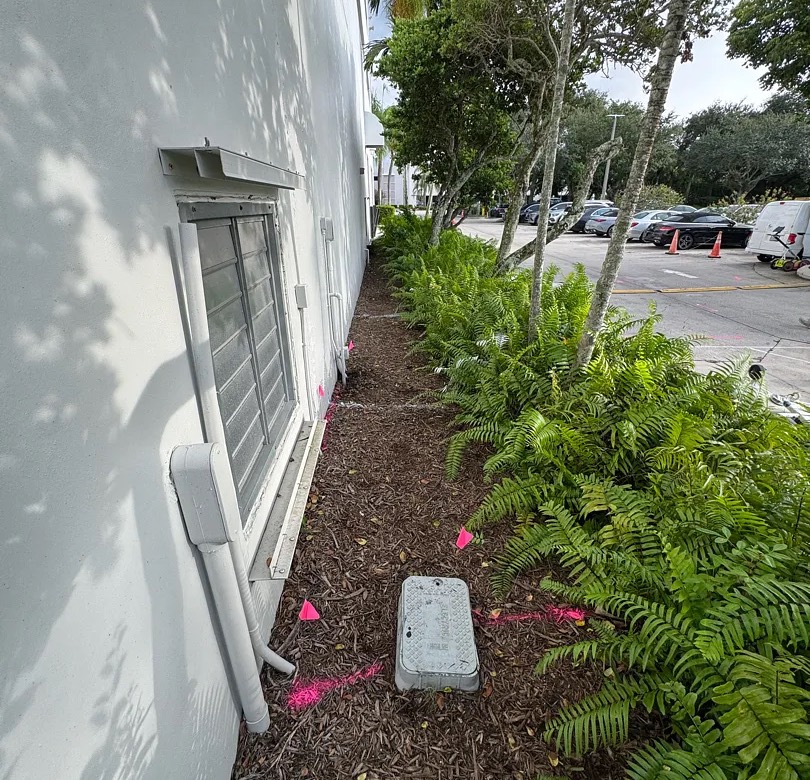
Where Is My Water Main?
How to find your water service line, what 811 will and will not mark, and why guessing fails in Florida.
Read the guide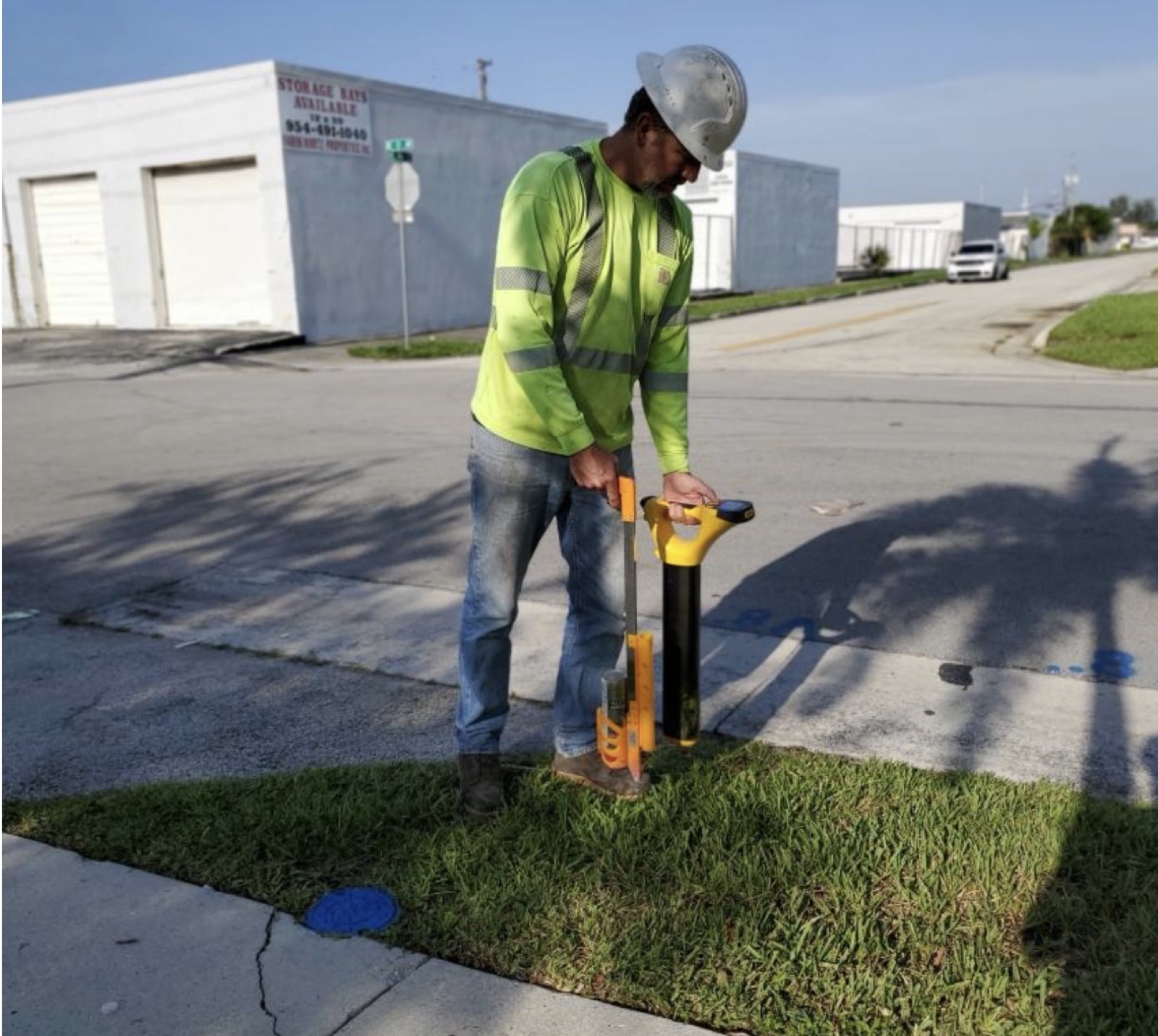
How Much Does Private Utility Locating Cost?
Day rates, what is included, what pushes the price up, and how a quote is actually built.
Read the guide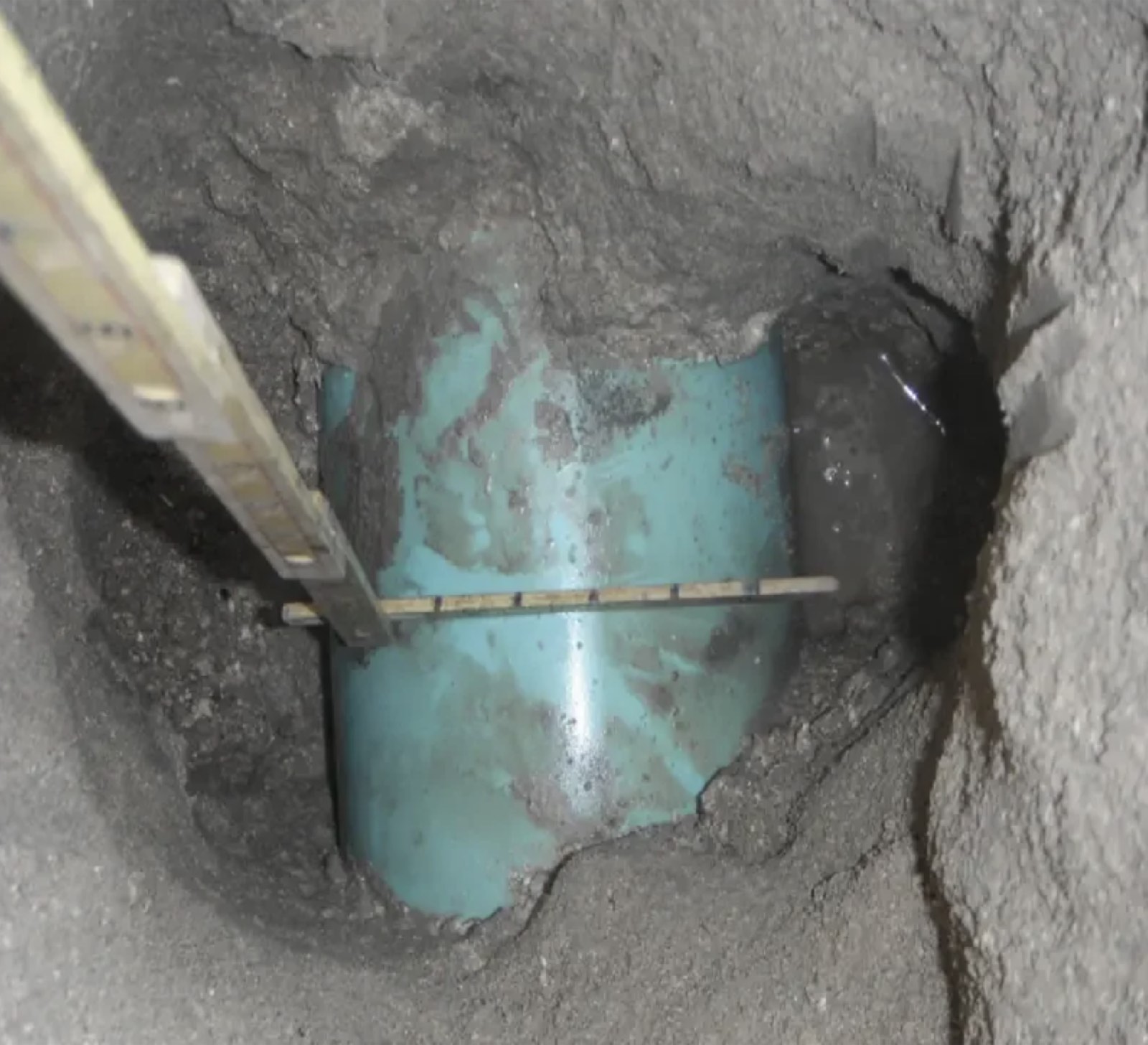
What Is Utility Potholing?
What a test hole is, how depth to top of pipe gets verified, and when potholing is required.
Read the guide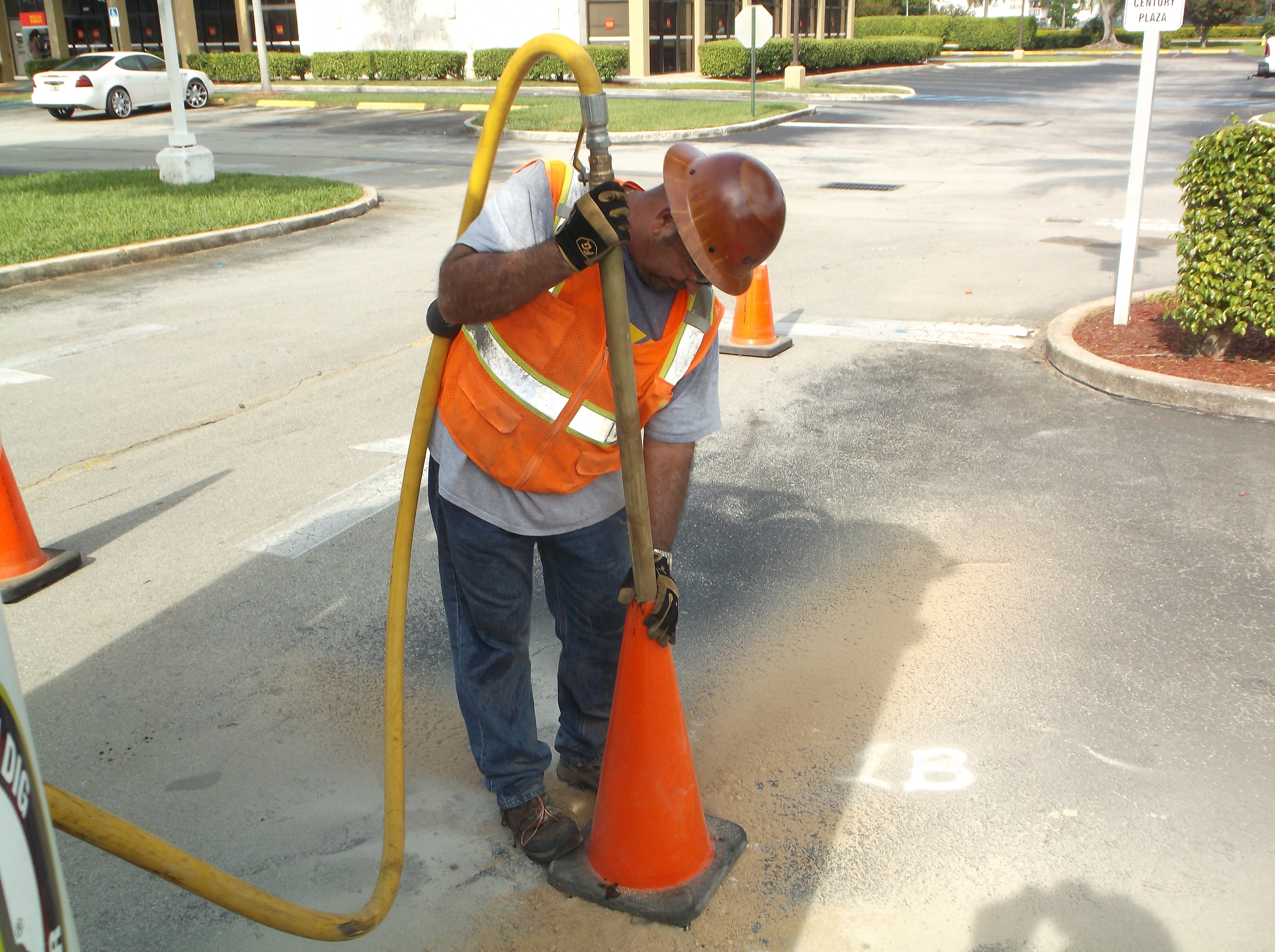
What Is Daylighting in Excavation?
How daylighting exposes buried utilities safely to reach ASCE 38-22 Quality Level A.
Read the guide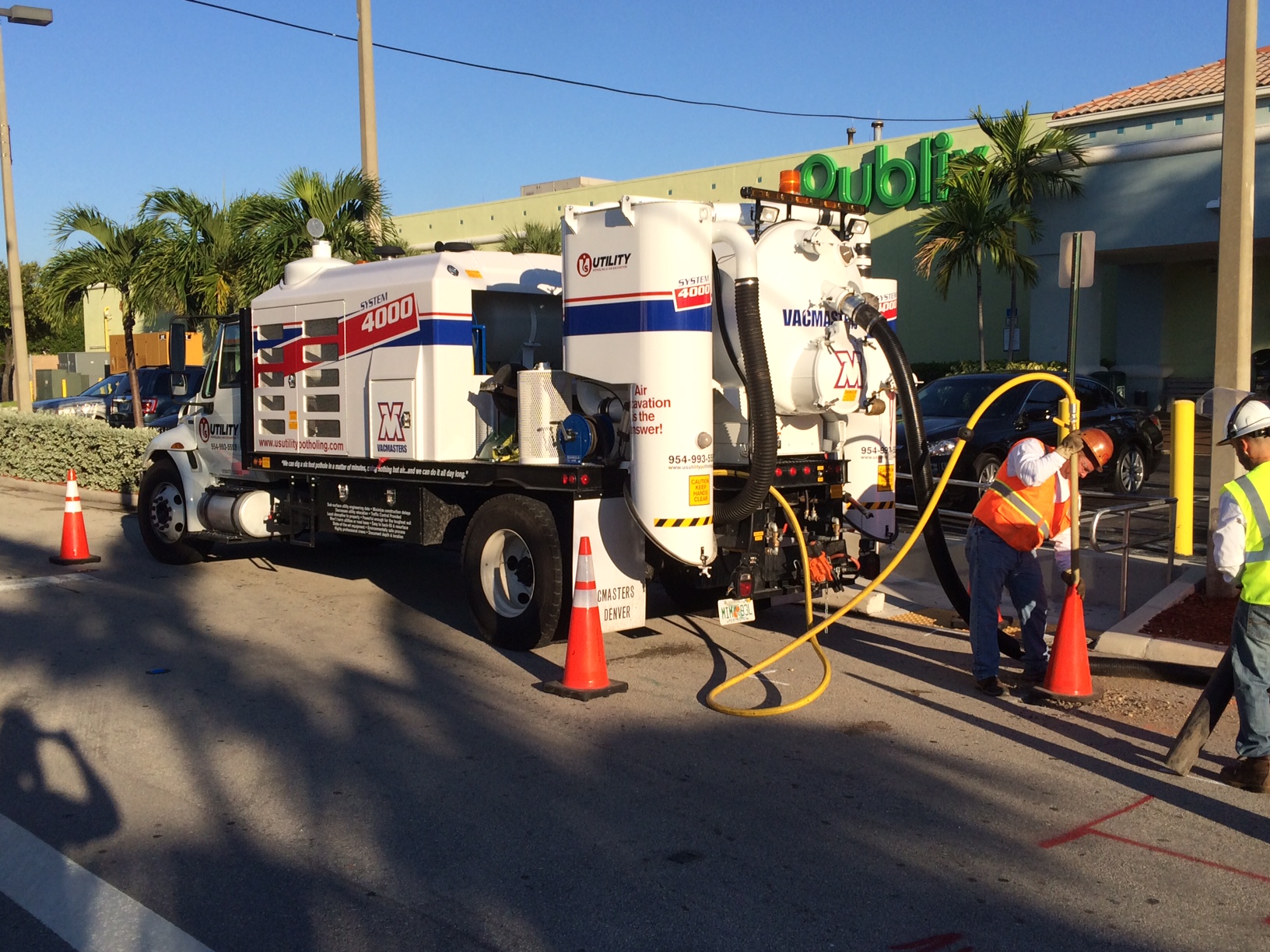
Hydro Excavation vs Traditional Digging
Safety, speed and cost compared for excavation near live underground utilities.
Read the guideCall 811 Before You Dig — Florida's Sunshine State One Call
Florida law (F.S. 556) requires anyone planning to excavate to call 811 at least two business days before digging begins. When you call 811 (or submit a request online at sunshine811.com), the Sunshine State One Call Center notifies member utility owners in the area who have facilities in the proposed excavation zone. Those utilities then send locators to mark the approximate locations of their underground infrastructure with APWA color-coded paint and flags.
What 811 covers: Publicly registered utilities that are members of the Sunshine State One Call system — primarily Florida Power & Light, AT&T, Comcast, natural gas distributors (FPL FiberNet, TECO Peoples Gas), water and wastewater utilities operated by local governments, and other publicly registered utility operators.
What 811 does NOT cover: This is the critical gap that causes the majority of utility strikes on Florida construction sites. The 811 system does not cover private utilities — utility lines installed by a property owner for their own use on their own property. Private electrical feeders, irrigation systems, private telecom conduit, fire suppression lines, private water services, and any utility not registered with the One Call system will not be marked by 811. On virtually every developed commercial or institutional property in South Florida, there are significant private utilities that 811 will never touch. Private utility locating is the only way to find them.
APWA Utility Color Codes
The American Public Works Association (APWA) established a standardized color coding system for underground utility markings that is used throughout the United States. When utility locators mark underground utilities with paint, flags, or stakes, these colors tell you what type of utility is below. Understanding the APWA color code system is essential for anyone working near utility markings on a construction site.
| Color | Utility Type | Common Examples |
|---|---|---|
| Red | Electric Power Lines, Cables, Conduit & Lighting Cables | FPL underground distribution, site electrical feeders, lighting conduit |
| Yellow | Gas, Oil, Steam, Petroleum & Gaseous Materials | Natural gas distribution mains and service lines, propane lines |
| Orange | Communications, Alarm & Signal Lines, Cables or Conduit | Telecom, cable TV, fiber optic, alarm systems, signal lines |
| Blue | Potable Water | Water mains, water service lines, irrigation supply |
| Green | Sewers & Drain Lines | Sanitary sewer, gravity sewer, force mains, storm drainage |
| Purple | Reclaimed Water, Irrigation & Slurry Lines | Reclaimed/reuse water distribution, treated effluent |
| Pink | Temporary Survey Markings, Unknown or Unidentified Facilities | Survey stakes, temporary reference markings, unidentified utilities |
| White | Proposed Excavation | Marks the extent of proposed excavation or boring path |
What Is Private Utility Locating?
Private utility locating is the professional process of detecting and marking underground utilities that are privately owned and not covered by the 811 system. A licensed private utility locating contractor uses electromagnetic (EM) induction equipment, direct-connect locating equipment, and ground penetrating radar (GPR) to identify the location and approximate routing of private underground utilities across a property or project site.
Private utilities subject to locating include site electrical feeders and distribution systems, irrigation supply and distribution lines, private telecommunication conduit, fire suppression systems, private gas services, and any other underground infrastructure installed by a property owner for their own use. On virtually every commercial, institutional, or municipal property in South Florida, there are private utilities — and in a market as developed as Broward, Miami-Dade, or Palm Beach County, these utilities are frequently undocumented, off-plan, or installed in unexpected locations.
Private utility locating is legally required by Florida law before excavation. It is not a substitute for 811 — it is the essential complement to 811 that covers the utilities the public system misses. Learn more about our private utility locating service.
Locating buried utility lines requires specialized equipment capable of detecting both conductive and non-conductive utilities. EM locating traces active conductors, while GPR uses a power vacuum of electromagnetic pulses to map non-conductive utilities and create accurate utility maps of the project area. Together these methods find gas line infrastructure, buried utility lines of all types, and can flag potential soil anomalies — even in varied soil types across South Florida's diverse geology.
ASCE 38-22 Quality Levels Explained
ASCE 38-22 (Standard Guideline for the Collection and Depiction of Existing Subsurface Utility Data) is the American Society of Civil Engineers standard that defines four quality levels for subsurface utility information. These quality levels are widely used by FDOT, Broward County, and other project owners in Florida to specify the level of utility investigation required for design and construction projects.
Quality Level D (QL-D)
The lowest level — information derived from existing utility records and maps only. No field investigation is performed. QL-D data is often inaccurate in position and completeness. Useful only for early planning stages.
Quality Level C (QL-C)
Record information supplemented with a field survey to identify visible surface features — manhole covers, valve boxes, pedestals, risers. Improves position accuracy over QL-D but still relies on utility records for subsurface details.
Quality Level B (QL-B)
Field designating using geophysical methods — electromagnetic locating and/or GPR scanning — to determine the approximate horizontal position of underground utilities. The highest level achievable without physical excavation. Required on many FDOT and municipal projects.
Quality Level A (QL-A)
The highest level — physical exposure (potholing) of the utility to confirm exact horizontal and vertical position, material, size, and condition. QL-A data is measured in the field and recorded with photographs. Required at utility conflict locations on FDOT design projects.
What Is Potholing?
Vacuum excavation and hydro excavation are the standard methods for exposing buried utility lines during a construction project. These techniques safely expose the utilities without mechanical contact, making them essential tools for contractors working near underground infrastructure.
Potholing — also called test pitting, daylighting, or vacuum excavation test holing — is the process of creating a small, precisely located excavation to physically expose a buried utility and verify its exact location, depth, material, and size. Unlike a utility mark on the surface that tells you a utility is "somewhere nearby," a pothole tells you the utility's exact position and depth to within fractions of an inch.
Potholing is performed using vacuum excavation equipment — a powerful truck-mounted vacuum system that uses high-pressure air or water to loosen the soil and vacuum it out of the hole. This non-destructive method creates a clean excavation around the utility without the risk of mechanical damage that comes from using a backhoe or trencher near underground infrastructure.
The information gathered from each pothole — depth-to-top, depth-to-invert, material, diameter, and condition — is documented with measurements and photographs. This constitutes ASCE 38-22 Quality Level A data, the highest confidence level available for underground utility information. Learn more about our utility potholing service.
What Is Soft Dig / Vacuum Excavation?
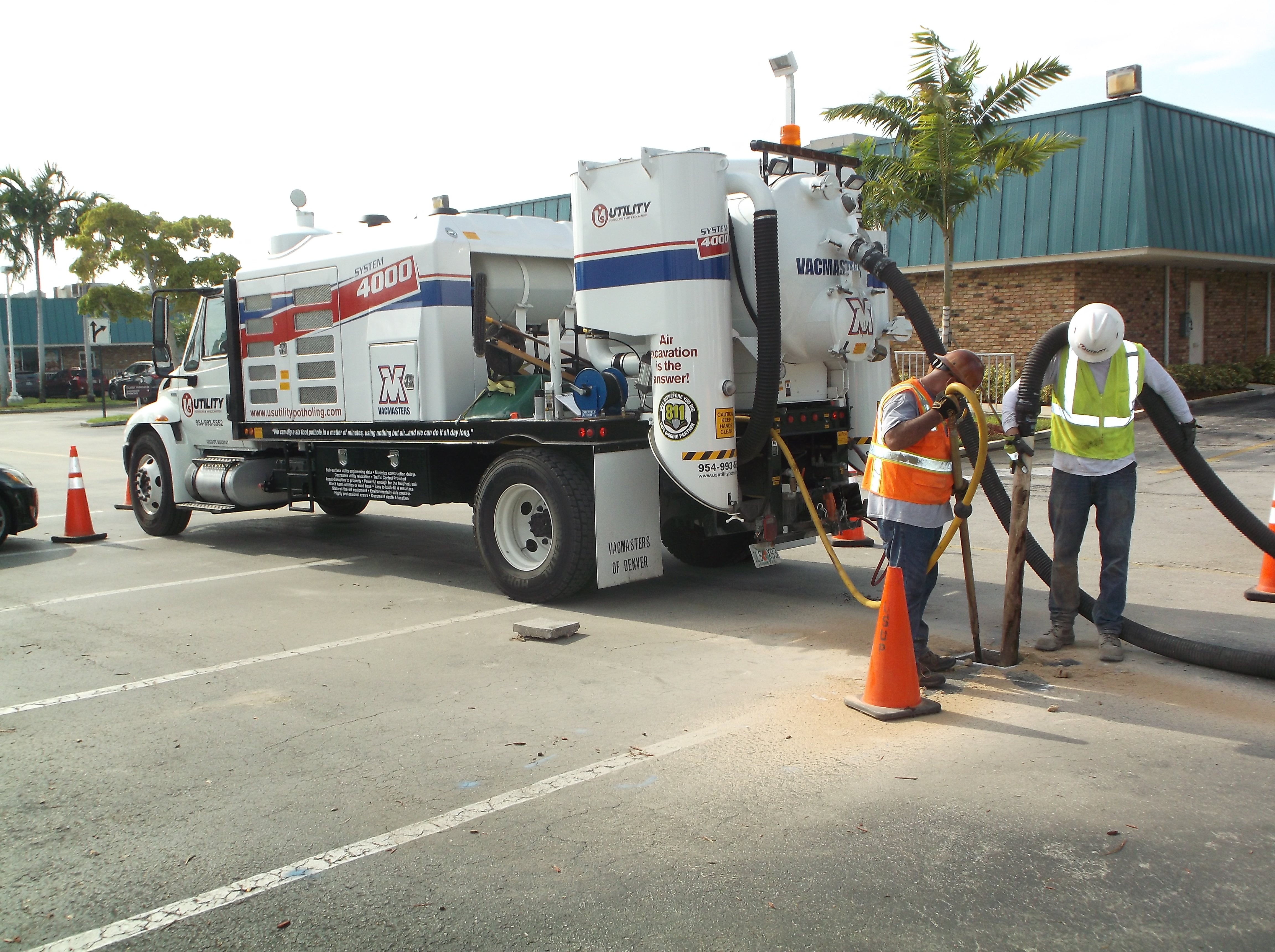
Soft dig — the common field name for vacuum excavation — is a non-destructive excavation method that uses pressurized air (air excavation) or pressurized water (hydrovac) to break up soil, combined with a powerful industrial vacuum system to remove the loosened soil from the excavation. The result is a clean, controlled excavation that can be performed precisely at the utility location without risk of mechanical contact damage.
The term "soft dig" distinguishes vacuum excavation from "hard dig" — traditional mechanical excavation with a backhoe, track excavator, or trenching machine. Mechanical excavation near underground utilities carries a risk of direct contact with the utility — a struck gas main, severed electrical cable, or ruptured water main can result in serious injury, property damage, service outages, and significant liability. Soft dig eliminates this risk.
Soft dig is used for utility potholing and daylighting, slot trenching for utility repairs, precision excavation in tight or sensitive areas, and any excavation where mechanical contact with underground utilities must be avoided. It is the required or strongly preferred method for excavation near critical utilities throughout Broward, Miami-Dade, and Palm Beach counties. Learn more about our vacuum excavation service.
More detail on these topics: SUE and ASCE 38-22 explained · private locating versus 811 · pre-excavation utility verification